
Blog
Hot Aisle vs. Cold Aisle Containment: DCIM Guide
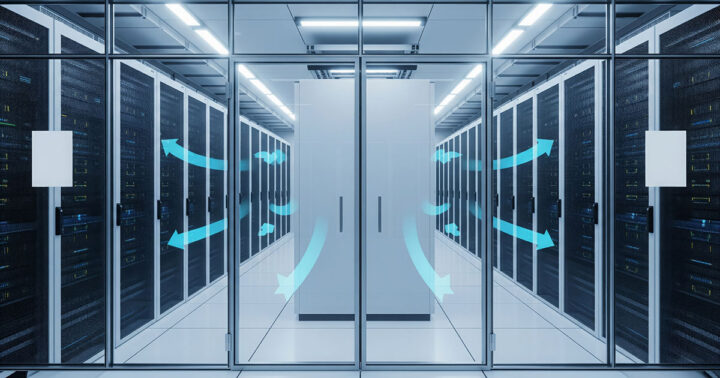
Executive Summary Hot aisle containment captures hot server exhaust in an enclosed aisle and routes it directly to cooling units, while cold aisle containment isolates

Executive Summary Hot aisle containment captures hot server exhaust in an enclosed aisle and routes it directly to cooling units, while cold aisle containment isolates

In conversations with analysts and market research firms, they tell us that more companies are implementing data center infrastructure management, or DCIM, than ever before.

Executive Summary Data centers generate vast amounts of operational technology (OT) data—from power distribution units, cooling systems, BMS, and EPMS—yet most facilities still lack unified

Executive Summary The Modius OpenData Planning Module enables data center teams to simulate infrastructure changes, evaluate resource impacts across power, cooling, and rack space, and

Executive Summary IP Address Management (IPAM) integrated into Data Center Infrastructure Management (DCIM) software eliminates manual tracking errors, prevents IP address conflicts, and provides centralized
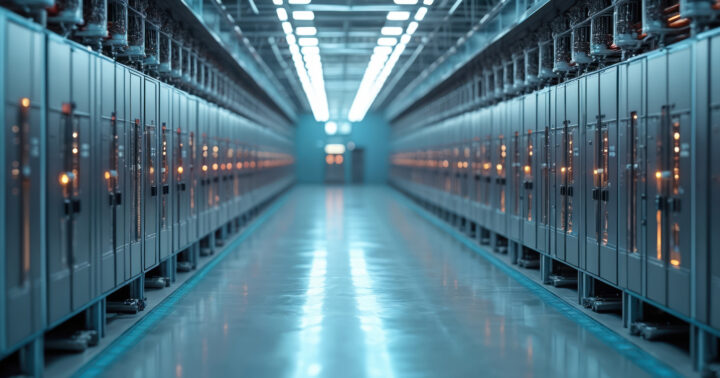
Unused power is hard to find – Stranded capacity hides in power budgets, uneven loads, idle servers, cooling limits, and backup reserves.
Data center liquid cooling can cut total power by 10% while improving PUE by only 3%.

Your annual energy report may show that you met your renewable power target.
Accurate data center capacity planning starts with a clear view of nameplate capacities and the current load on each infrastructure component.
AI data centers need a connected view of power, cooling, and IT demand.