
DCIM Software for
Colocation Providers
Turn Infrastructure Visibility Into Sellable Capacity
Modius® OpenData® gives colocation providers a clearer view of their data center infrastructure. Monitor power, cooling, capacity, and risk from one place. Find stranded capacity, spot issues early, and share reliable data with tenants.
Our data center infrastructure management (DCIM) software helps your team make smarter decisions with real site data.
Trusted by Data Center Operators
Modius customer examples include STACK Infrastructure, Cologix, and 365 Data Centers.




More Visibility. Better Colocation Operations.
AI workloads need more power. Rack density keeps rising. Tenants expect clear answers and reliable service. These changes make colocation management harder.
Many operators use separate tools to monitor their facilities. This can hide spare capacity, slow repairs, and make reports harder to create.
OpenData brings your infrastructure data into one view. See what your systems can support today. Spot risks early and plan your next steps with confidence.
Your team can also support managed services, cloud services, and access to public clouds with clearer site data.
Find Capacity You Can Confidently Offer
Spare power does not always mean sellable power. Equipment limits and power distribution can restrict how much capacity you can offer.
OpenData helps you review actual demand and available colocation capacity. Find stranded resources and explore ways to use more of your existing infrastructure.
Give sales and site teams the same data when they review colocation offers. Make clearer commitments and support long term growth plans.
See Power Risks Before They Escalate
Monitor colocation power systems, including key distribution equipment and uninterruptible power supplies.
Use centralized alarms to spot faults early. Review past trends to plan maintenance and protect data center uptime.
Clear site data also helps your team prepare for equipment failures, cooling issues, and natural disasters. Spot risks sooner and take action before small issues grow.
Give Tenants Clearer Performance Evidence
Give tenants clear usage data and proof of site performance. Your team can answer questions faster without building reports by hand.
Track past events and review system conditions with confidence. Support tenant needs across managed services, cloud computing, and hybrid cloud environments.
See OpenData in Action — Request a Demo
DCIM Software for Colocation Infrastructure
OpenData brings power, cooling, capacity, and site data together. Your team can track key systems across rooms, buildings, and sites without switching between separate tools.
Use our colocation software to:
- Monitor critical systems: View equipment data and alarms in one place. Keep daily center operations running smoothly.
- Improve capacity planning: Review available space, power density, and system limits before adding new loads.
- Track energy use: Monitor power consumption, energy efficiency, and data used to calculate PUE (power usage effectiveness).
- Support tenant reporting: Use meter data and past records to review usage and support billing.
- Manage multiple sites: Give teams a clear view of facility performance across all locations.
OpenData supports both retail colocation and wholesale colocation. Manage shared systems and meet different tenant needs with clearer data.
Use OpenData insights to guide your decisions. Keep your current business rules, pricing policies, and billing systems.
Network connecting equipment and shared cooling systems can create hidden risks. OpenData helps teams see how these systems depend on each other.
This also matters in carrier neutral facilities. Customers may use several network providers, but site teams still need a clear view of the systems that support them.
Prepare for High-Density AI Deployments
AI, cloud services, and cloud computing are changing how data centers use power and cooling.
High density racks can place more stress on local systems. A site may have spare power overall but face limits in one area.
OpenData helps teams review loads, find limits, and plan upgrades. Use clear data to assess power density and prepare for new tenant needs.
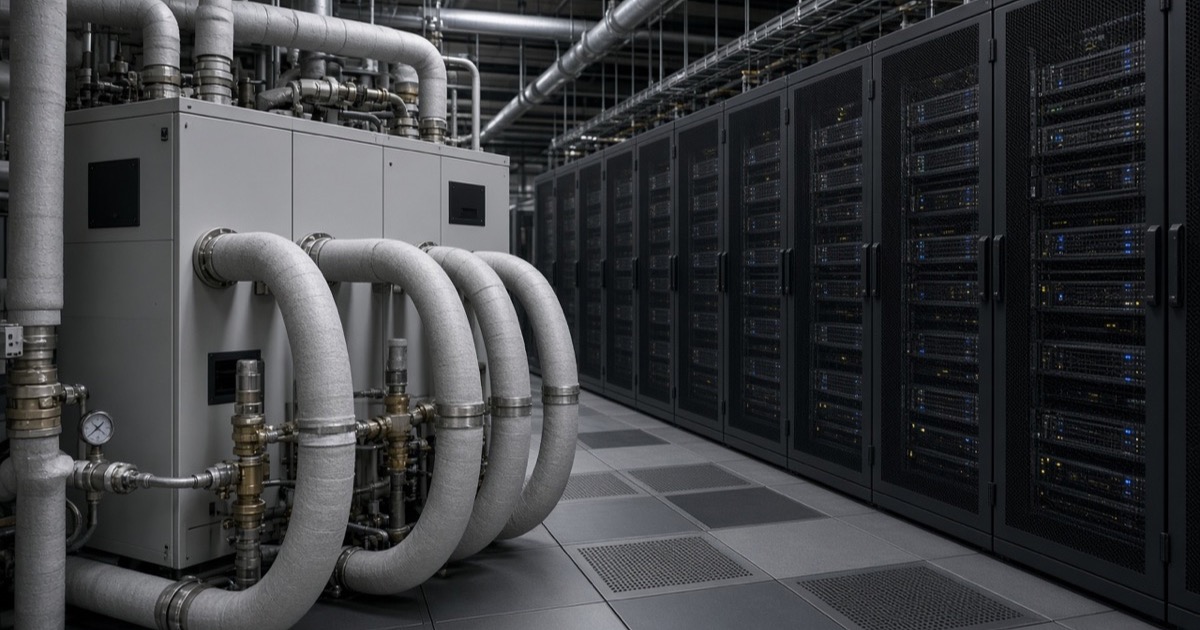
Track liquid cooling data alongside power and facility data when you connect those systems. Review temperatures, flow, pressure, and alarms to spot possible issues.
Support faster decisions as tenants add new workloads. Your team can plan each step with more confidence.
OpenData gives you the data to guide these choices. Your team stays in control of capacity, maintenance, and service commitments.
Customer Success Stories
Explore how STACK Infrastructure worked to bring infrastructure data together across 14 sites.
See how the project supported a clearer view of site operations.
Explore the STACK Story →See how Prime Data Centers worked to improve infrastructure visibility across more than 20 sites.
Explore the Prime Data Centers Story →Resources for Colocation Operators


Rhoads to accelerate product innovation for OpenData®, enabling high-performance AI infrastructure in enterprise environments. SAN FRANCISCO, CA — August 5, 2026 — Modius, Inc., a...
Frequently Asked Questions
DCIM colocation software tracks power, cooling, capacity, and equipment conditions. It helps operators manage shared systems and answer tenant questions.
Modius OpenData® brings this data into one view to support daily operations and planning.
Compare actual power use with equipment limits and current tenant needs. Not all spare power is safe to sell.
OpenData helps teams find possible spare capacity. Use that data to assess site limits before making new commitments.
Use past readings, alarm records, and site reports to show operating conditions.
Modius OpenData helps teams collect this evidence. Operators must still check their service agreements to confirm SLA compliance.
Yes. OpenData can support tenant power billing. It tracks power use and stores past records to support billing reviews. Teams also need tenant meters and clear billing rules. OpenData does not replace billing software.
Connect supported cooling systems to Modius OpenData. Track temperatures, flow, pressure, and alarms. Teams can use these readings to investigate cooling issues and possible leaks.
Modius OpenData brings data from several sites into one view. Review alarms, compare site conditions, and find issues faster.
This helps teams manage colocation operations across managed services and hybrid cloud environments.
PUE compares total facility energy with the energy used by IT equipment.
Use PUE to track energy performance. Review it with other data to assess capacity, power use, and cost effectiveness.
Yes. Both retail colocation and wholesale colocation need clear data on power, capacity, and tenant use.
OpenData supports different facility sizes, including carrier neutral sites with access to public clouds.
Discover the Cost of Stranded Capacity
Your next growth opportunity may already exist within your facility.
See how Modius OpenData helps you find potential sellable capacity, spot site risks, and improve tenant reporting.
Get a clearer view of your infrastructure and make better use of the resources you already have.
Book a 30-Minute Demo. Talk with our team about your sites, current challenges, and how OpenData can help.