
Bridging the gap between IoT and Asset Management
TL;DR: The explosion of IoT (projected at 50 billion connected devices) is forcing data centers to evolve from purely centralized architectures to distributed edge computing models. Massive data volumes generated at the edge cannot be cost-effectively transported to centralized locations, requiring pre-processing and real-time decision-making at the point of data creation. This shift drives the adoption of machine learning, modular edge data centers, and AI-assisted operations, fundamentally changing how DCIM must approach infrastructure monitoring and management.
An IoT World
By Sean Gately
Why Are Traditional Centralized Data Centers No Longer Sufficient?
Today’s explosion of smart devices and the Internet of Things is driving a dynamic change in data center infrastructure management. The core concept that data centers have focused on since inception has been to centralize IT operations for cost efficiency and predictable operations.
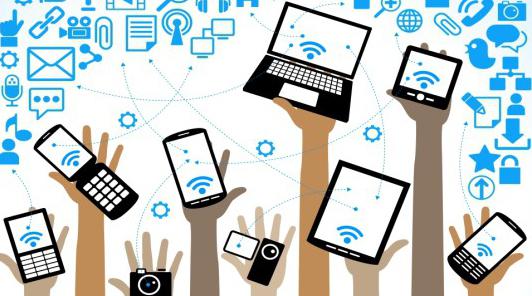
With 50 billion devices projected to come online, much of the centralized data center structure becomes inadequate. The massive amount of data created at the edge, combined with the need for real-time edge-based decisions, means user and machine-generated content cannot affordably be sent to a centralized structure. It now requires pre-processing at the edge where data is being created.
How Is IoT Driving the Shift to Edge Computing?
This shift has led to machine learning, modular and edge data centers, and the creation of artificial intelligence to support critical edge-based decisions in real time. Processing and implementing decisions in a live edge environment is critical to modern operations, forcing a fundamental change in data center architecture.
The need for data centers to branch from centralized to decentralized edge-based architecture is driven by two main factors:
- The physical impossibility and cost of transporting massive data volumes to a centralized location or cloud
- The need for near-instant application support and device management at the point of use
What Does Interconnectivity Mean for Data Center Management?
There is a clear shift in perception toward the need for interconnectivity between IT assets. With more devices coming online and communicating, the ability to create and understand a mesh of networked distributed computing devices will be critical to future data center management.
As infrastructure extends past traditional IT systems into an ever-growing list of communicating devices, the ability to monitor, locate, and understand how these devices interact with each other and what impact groups of devices have on systems and services is essential for operating in a data center 3.0 (smart data center) IoT environment.
What Role Does AI Play in the New Data Center Architecture?
This dynamic shift has pushed data centers to the edge and created more distributed and intelligent environments. The advance of artificial intelligence has allowed machines to learn from their own data and understand how they relate to other machines around them. This ability to utilize human-built algorithms will phase out many mundane human interactions and replace them with data-driven, intelligent machine decision making.
Continued, Bridging the Gap
Frequently Asked Questions
Why can’t traditional data centers handle IoT data volumes?
With 50 billion devices projected to come online, the volume of user and machine-generated data at the edge is too large to affordably transport to centralized data centers or cloud infrastructure. Physical bandwidth limitations and latency requirements for real-time decisions make centralized processing impractical for many IoT workloads.
What is edge computing and how does it relate to data centers?
Edge computing is the practice of processing data near the source of generation rather than sending it to a centralized data center. It extends the traditional data center model by deploying smaller compute resources at the network edge, creating a distributed architecture that handles real-time IoT processing while the central data center manages aggregation and long-term analytics.
How does IoT change DCIM requirements?
IoT extends DCIM beyond the walls of the traditional data center. Infrastructure managers must now monitor and manage distributed edge deployments, accommodate diverse new device types and protocols, handle vastly more data points, and support real-time decision-making at the edge while maintaining unified visibility across the entire distributed infrastructure.
What role does machine learning play in modern data centers?
Machine learning enables data center infrastructure to learn from its own operational data and from relationships with connected systems. This supports automated decision-making for routine operations, predictive maintenance, anomaly detection, and capacity optimization, reducing the need for constant human intervention across distributed environments.
What is a smart data center?
A smart data center (or data center 3.0) is a facility that combines traditional DCIM monitoring with IoT connectivity, machine learning, and artificial intelligence to enable automated operational decisions. Smart data centers extend from centralized facilities to distributed edge nodes, with infrastructure capable of self-monitoring and self-optimizing.